Relaxation Exercises to Help You Fall Asleep Fast
By Karyn O.
Reviewed by Dr. Daniel Uba, MD
Published Feb 25, 2026
5 min read

Science-Backed Techniques That Calm the Nervous System and Improve Sleep Onset
Executive Summary
- Difficulty falling asleep is often caused by hyperarousal—an overactive stress response that keeps the brain alert at night.
- Relaxation exercises work by activating the parasympathetic nervous system, lowering heart rate, easing muscle tension, and reducing racing thoughts.
- The fastest techniques include 4-7-8 breathing and diaphragmatic breathing.
- For chronic stress or anxiety-driven insomnia, progressive muscle relaxation (PMR), body scan meditation, and cognitive shuffle techniques are especially effective.
- Relaxation is most powerful when practiced nightly as part of a wind-down routine—not only when you “can’t sleep.”
- If insomnia lasts more than 3 months or includes loud snoring, gasping, or severe daytime fatigue, medical evaluation is recommended.
Why Relaxation Exercises Help You Fall Asleep
The Sleep-Onset Problem: Hyperarousal
Insomnia is not simply a “lack of sleepiness.” Research consistently shows it is a disorder of physiological and cognitive hyperarousal—meaning the brain and body remain in a stress-activated state at bedtime.
Common signs of hyperarousal:
- Racing thoughts
- Elevated heart rate
- Muscle tension
- Nighttime anxiety
- Feeling “tired but wired”
Stress hormones like cortisol and activation of the sympathetic nervous system (“fight-or-flight”) delay sleep onset and fragment sleep.
The Science: Activating the Parasympathetic Nervous System
Relaxation exercises shift the body into parasympathetic dominance—the “rest-and-digest” state.
Physiological effects include:
- Lower heart rate
- Reduced blood pressure
- Increased heart rate variability (HRV)
- Reduced muscle tension
- Decreased cortisol levels
Breathing exercises, in particular, stimulate the vagus nerve, which plays a central role in calming the nervous system.
This shift makes it biologically easier for the brain to transition into sleep.
Who Benefits Most?
Relaxation techniques are particularly effective for:
- Stress-related insomnia
- Anxiety disorders
- Perimenopausal or menopausal sleep disruption
- High-performing individuals with mental overactivity
- People who wake frequently at night due to stress
They are also commonly integrated into Cognitive Behavioral Therapy for Insomnia (CBT-I)—the gold standard non-pharmacologic treatment.
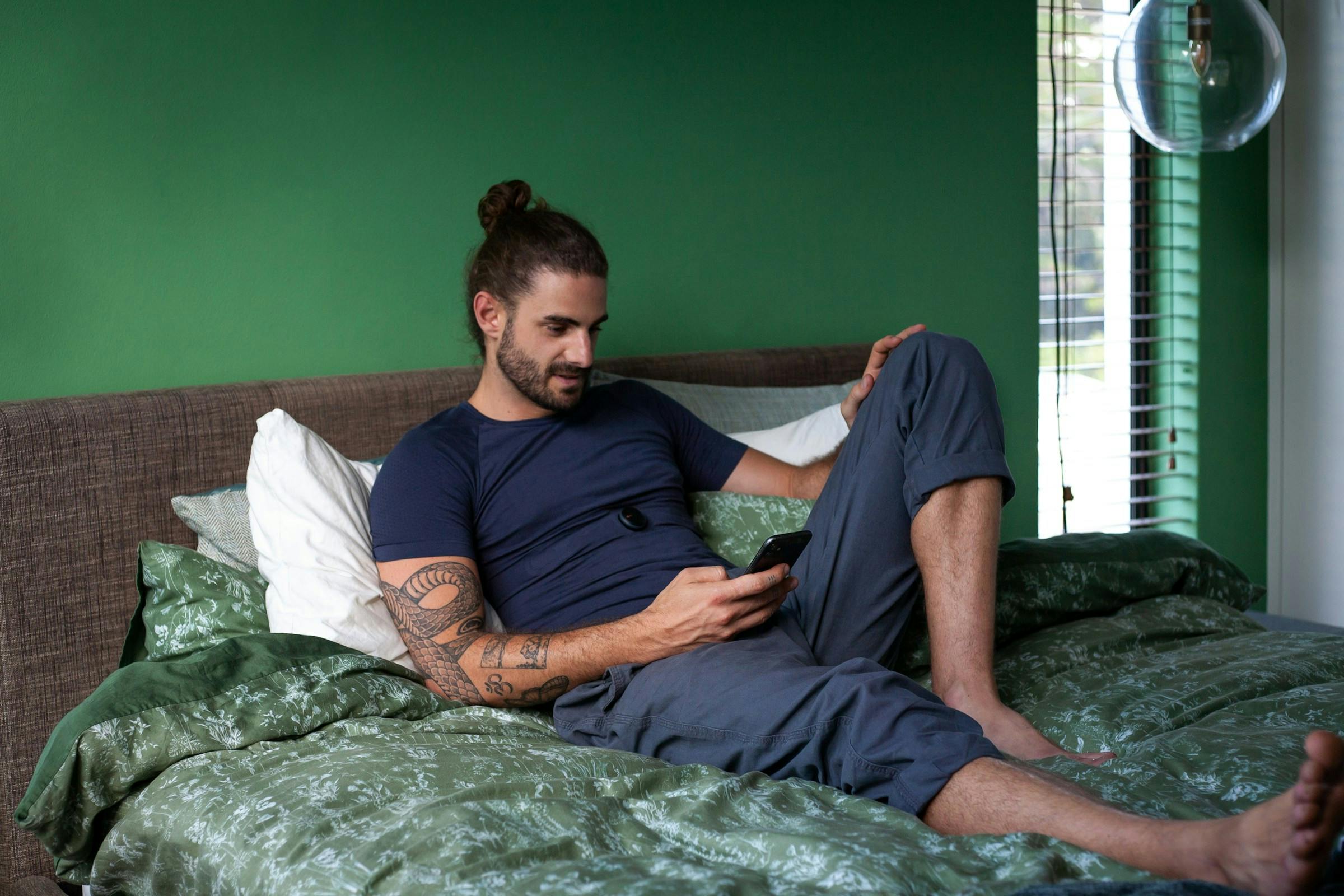
Quick Comparison: Which Relaxation Technique Is Best for You?
The Most Effective Relaxation Exercises to Fall Asleep
1. 4-7-8 Breathing (Best for Fast Sleep Onset)
What it is: A controlled breathing technique popularized by Dr. Andrew Weil.
Why it works: Slow exhalation increases parasympathetic tone and reduces sympathetic activation. It also regulates carbon dioxide levels, which influence relaxation.
How to do it:
- Inhale quietly through your nose for 4 seconds.
- Hold your breath for 7 seconds.
- Exhale slowly through your mouth for 8 seconds.
- Repeat for 4–8 cycles.
Best for: Anxiety, pre-sleep nervousness, racing heartbeat. Time required: 2–4 minutes.
2. Progressive Muscle Relaxation (PMR)
What it is: A structured technique developed by Edmund Jacobson in the 1920s.
Why it works: Insomnia is associated with increased muscle tension. PMR systematically reduces physical arousal. Studies show it improves sleep quality and reduces sleep latency.
How to do it:
- Starting at your feet, tense muscles for 5 seconds.
- Release completely for 10 seconds.
- Move upward: calves → thighs → abdomen → shoulders → arms → face.
- Focus on the sensation of release.
Best for: People who carry stress physically. Time required: 10–15 minutes.
3. Body Scan Meditation
What it is: A mindfulness technique involving attention to bodily sensations.
Why it works: Redirects focus from worry to physical awareness, reducing cognitive arousal.⁹ Mindfulness-based interventions have shown meaningful improvements in insomnia severity.¹⁰
How to do it:
- Lie comfortably.
- Slowly scan attention from toes to head.
- Notice sensations without judgment.
- If thoughts arise, gently return attention to the body.
Best for: Nighttime awakenings and rumination. Time required: 5–15 minutes.
4. Cognitive Shuffle (Cognitive Distraction)
What it is: A CBT-I–based technique using neutral, random imagery.
Why it works: Insomnia often involves repetitive thought loops. Random mental images interrupt rumination by occupying working memory.
How to do it:
- Imagine unrelated, neutral objects (e.g., apple, mailbox, cloud, blue bicycle).
- Keep images simple and emotionally neutral.
- Allow them to drift randomly.
Best for: Racing thoughts at bedtime. Time required: 5–10 minutes.
5. Guided Imagery
What it is: Visualization of calming scenes.
Why it works: Activates brain regions involved in sensory relaxation and reduces limbic reactivity.
How to do it:
- Imagine a safe, calming environment (beach, forest, floating on water).
- Engage all senses: sounds, temperature, textures.
- Breathe slowly while maintaining the image.
Best for: Anxiety and stress. Time required: 10–15 minutes.
6. Yoga Nidra
What it is: A structured guided relaxation practice often called “yogic sleep.”
Why it works: Promotes deep parasympathetic activation and has been shown to reduce stress and improve sleep quality.
Best for: Chronic stress, burnout, insomnia resistant to simple breathing exercises. Time required: 15–25 minutes.
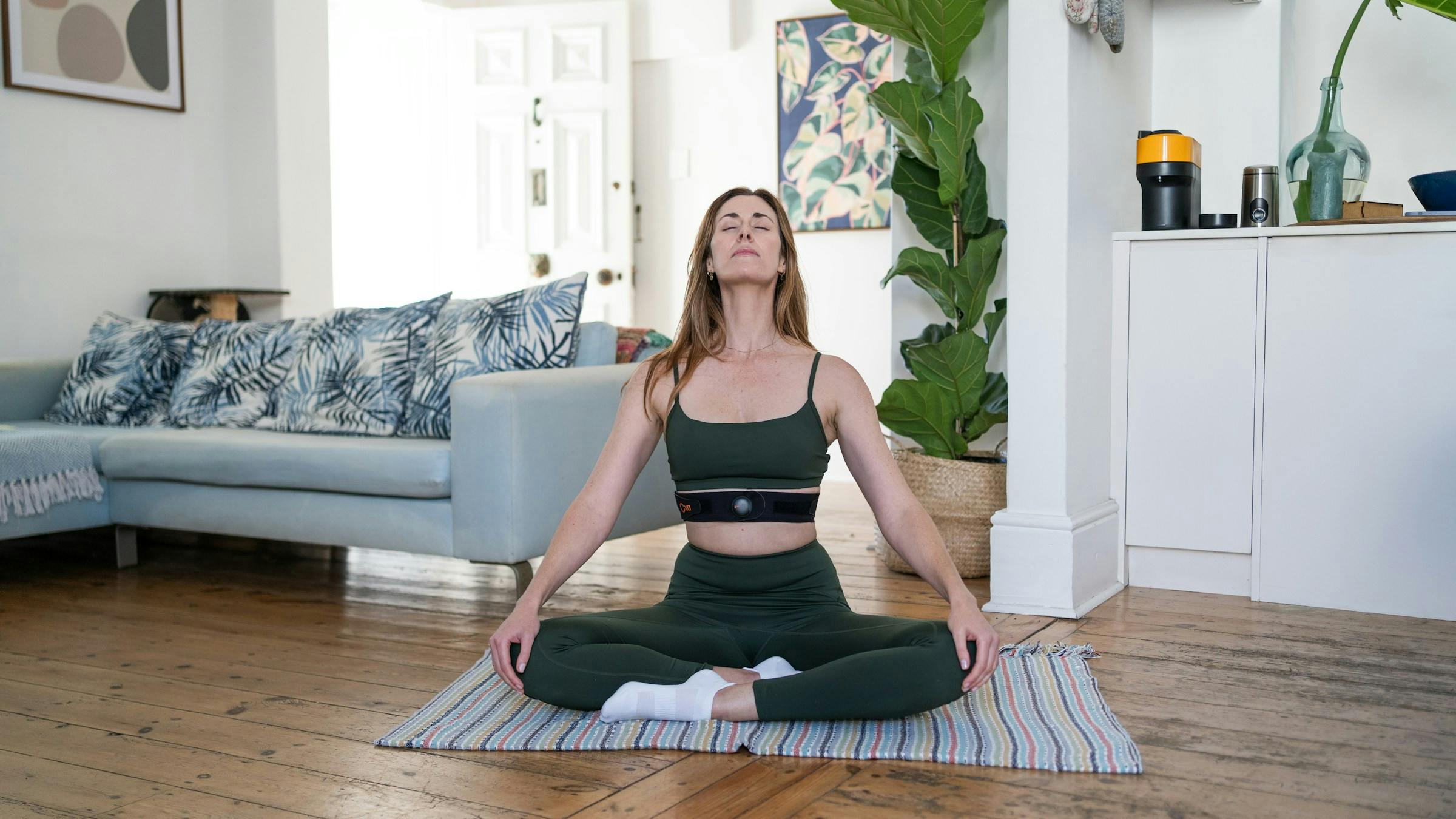
7. Diaphragmatic (Belly) Breathing
What it is: Slow breathing that engages the diaphragm rather than the chest.
Why it works: Enhances vagal tone and reduces sympathetic activation. Studies show it reduces cortisol and improves relaxation.
How to do it:
- Place one hand on your chest, one on your abdomen.
- Inhale so only the abdomen rises.
- Exhale slowly.
- Continue for 5–10 minutes.
How to Build a 10-Minute Nighttime Relaxation Routine
Step 1: Dim lights 30–60 minutes before bed. Step 2: Practice 4-7-8 breathing for 3 minutes. Step 3: Transition into a body scan or PMR for 7 minutes.
Consistency is key. Studies show relaxation techniques are most effective when practiced regularly, not just during severe insomnia episodes.
Common Mistakes That Reduce Effectiveness
- “Trying” too hard to fall asleep
- Using relaxation only during insomnia spikes
- Keeping bright screens on before practice
- Practicing inconsistently
- Expecting immediate results after one night
Like exercise, relaxation training strengthens with repetition.
When Relaxation Alone Isn’t Enough
Consult a healthcare professional if you experience:
- Insomnia lasting more than 3 months
- Loud snoring or gasping (possible sleep apnea)
- Severe daytime sleepiness
- Restless legs symptoms
- Hormonal sleep disruption
CBT-I remains the first-line therapy for chronic insomnia.
Relaxation vs Sleep Hygiene
Key Takeaways
- Insomnia is often a hyperarousal disorder, not a lack of fatigue.
- Relaxation exercises activate the parasympathetic nervous system.
- Breathing techniques work fastest; PMR and mindfulness work deeply.
- Consistency matters more than perfection.
Persistent insomnia requires evaluation.
Share this article

Cortisol-Triggering Foods: What Raises Stress Hormones and What to Eat Instead
Editorial Team
Mar 16, 20268 min read

How To Get Retatrutide Through a Clinical Trial
Dr. Jossy Onwude, MD
Mar 16, 20268 min read

Frozen Shoulder During Menopause: Causes, Symptoms, Treatment & Recovery
Dr. Priyali Singh, MD
Mar 14, 20268 min read

Best-in-class care is a click away
Find everything and everyone you need to reach your metabolic health goals, in one place. It all makes sense with Meto.
Join Meto