12 Pre-Workout Supplements to Boost Energy, Motivation & Performance (Science-Backed)
By Karyn O.
Reviewed by Dr. Jossy Onwude, MD
Published Jan 19, 2026
5 min read

Unlock more powerful workouts, sharper focus, and higher drive with the best science-backed pre-workout supplements.
Pre-workout supplements are designed to help you train harder, longer, and with greater focus. When chosen correctly, they can improve physical energy, mental motivation, blood flow, and endurance—key factors that determine workout quality and consistency.
This guide breaks down the 12 most effective pre-workout supplements, how they work, how strong the science is behind them, and how to use them safely—so you can make informed decisions that actually improve performance.
Quick Answer: Best Pre-Workout Supplements for Energy & Motivation
The most effective pre-workout supplements for increasing energy and motivation include:
- Caffeine – boosts alertness and perceived energy
- Creatine – improves ATP production and power
- Beta-alanine – delays muscle fatigue
- Citrulline – enhances blood flow and endurance
- L-Tyrosine – supports focus and motivation
- B Vitamins – support cellular energy metabolism
- Taurine – improves hydration and endurance
- Rhodiola Rosea – reduces stress-related fatigue
- L-Theanine – smooths stimulant effects and focus
- BCAAs – support muscle endurance
- Betaine Anhydrous – improves strength and power
- Adaptogens – promote balanced energy and resilience
Each works through different biological pathways—ATP production, neurotransmitter support, blood flow, or stress modulation.
How Pre-Workout Supplements Increase Energy (Physiology Explained)
Understanding how pre-workout supplements work helps you choose the right ones for your goals.
1. Cellular Energy & ATP Production
ATP (adenosine triphosphate) is your body’s immediate energy source. Supplements like creatine, betaine, and B vitamins help regenerate ATP or improve metabolic efficiency.
2. Central Nervous System (CNS) Stimulation
Motivation and alertness depend on neurotransmitters such as dopamine and norepinephrine. Caffeine, tyrosine, and rhodiola act primarily on the nervous system to increase drive and focus.
3. Blood Flow & Oxygen Delivery
Improved circulation delivers more oxygen and nutrients to muscles. Citrulline and taurine enhance nitric oxide production and cellular hydration, supporting endurance and “muscle pump.”

Energy vs Motivation vs Focus: What’s the Difference?
High-quality pre-workouts often combine all three—but not every athlete needs heavy stimulation.
Comparison Table: 12 Pre-Workout Supplements
How We Evaluated These Supplements (Evidence Grading)
- Strong evidence: Multiple randomized controlled trials or meta-analyses
- Moderate evidence: Human trials with consistent outcomes
- Emerging evidence: Limited trials or strong mechanistic support
This grading reflects quality of evidence, not popularity.
The 12 Best Pre-Workout Supplements (Detailed Breakdown)
1. Caffeine
Improves alertness, reaction time, and perceived effort by blocking adenosine receptors.
Dose: 150–300 mg, 30–60 min pre-workout
Watch out: Jitters, sleep disruption, tolerance
2. Creatine Monohydrate
Enhances ATP regeneration and improves strength and power output.
Dose: 3–5 g daily
Note: Timing is flexible; consistency matters most
3. Beta-Alanine
Delays fatigue in high-intensity training by increasing muscle carnosine.
Dose: 3.2–6.4 g daily
Side effect: Harmless tingling sensation
4. Citrulline Malate
Improves blood flow, endurance, and nutrient delivery.
Dose: 6–8 g pre-workout
Tip: Split doses to reduce GI discomfort
5. L-Tyrosine
Supports motivation and mental resilience under stress.
Dose: 500–2,000 mg pre-workout
6. B Vitamins
Support mitochondrial energy metabolism and red blood cell production. Best for: Individuals with deficiencies or high training load
7. Taurine
Supports hydration, endurance, and muscle contraction efficiency.
Dose: 1–3 g
8. Rhodiola Rosea
Adaptogen that reduces perceived fatigue and supports motivation.
Dose: 200–600 mg standardized extract
9. L-Theanine
Promotes calm focus and reduces stimulant-induced anxiety.
Dose: 100–200 mg (often paired with caffeine)
10. BCAAs
May reduce muscle breakdown and fatigue during long sessions.
Note: Less impactful if protein intake is sufficient
11. Betaine Anhydrous
Supports strength, power, and cellular hydration.
Dose: 1.25–2.5 g
12. Adaptogenic Blends
Multi-ingredient formulas that support stress resilience and sustained energy.
Related Read: Ashwagandha and Muscle Growth: What Science Really Says (And How to Use It Safely)
Best Timing: When to Take Pre-Workout Supplements
Stimulant vs Non-Stimulant Pre-Workouts
Stimulant-based
- Faster energy boost
- Higher crash risk
- Example: caffeine
Non-stimulant
- Sustained performance
- Better for sensitive users
- Examples: citrulline, creatine, betaine
Pre-Workout Supplements for Different People
Beginners
Start with low-dose caffeine or non-stimulants.
Women
Often benefit from lower stimulant doses and hydration-focused formulas.
Older Adults
Prefer non-stimulants; prioritize cardiovascular safety.
Supplements vs Food: Do You Really Need Pre-Workout?
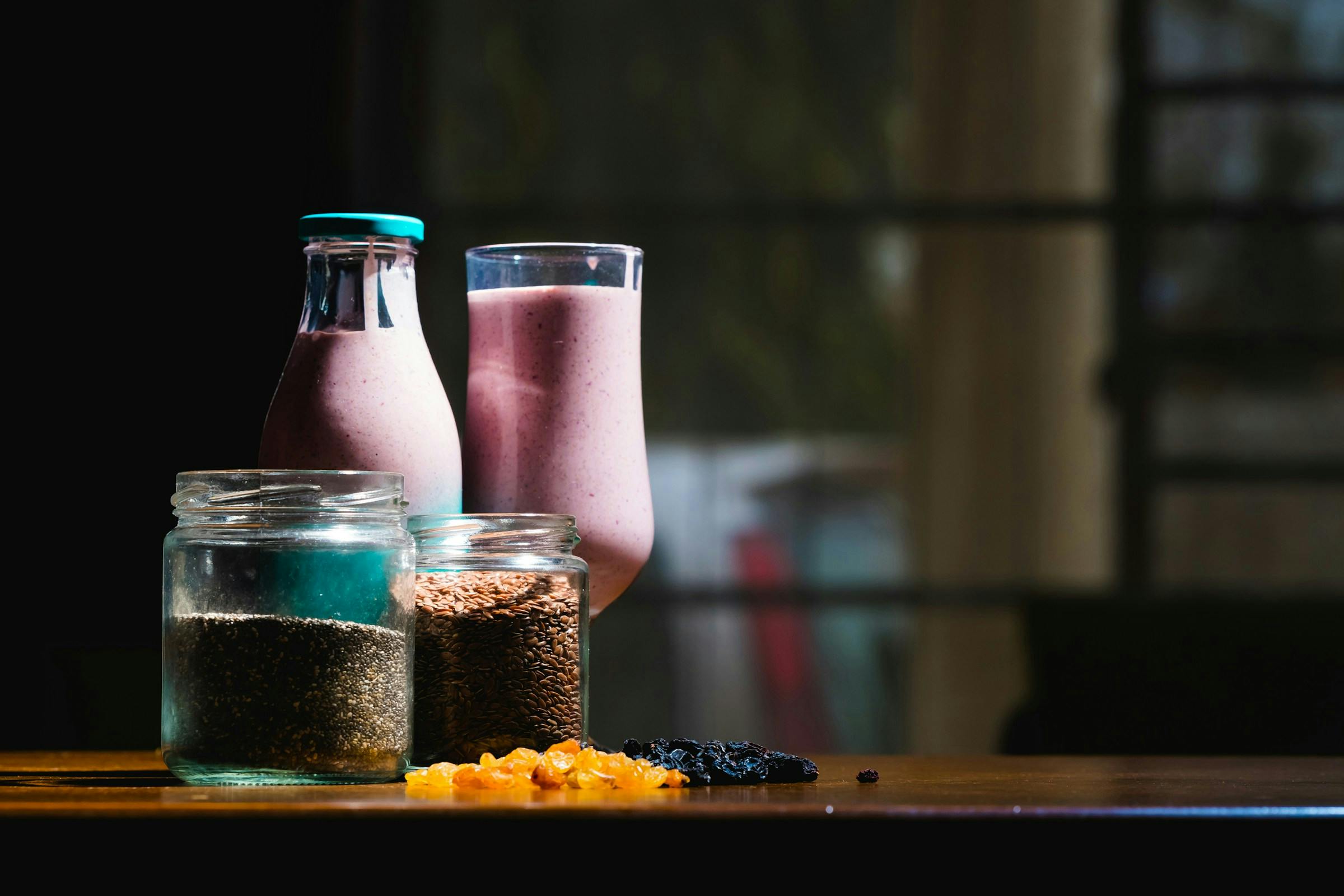
Whole foods (carbs, coffee, beets) can support workouts—but supplements offer:
- Faster onset
- Precise dosing
- Convenience
Supplements enhance a good diet; they don’t replace it.
Common Pre-Workout Myths (Debunked)
- ❌ More caffeine = better performance
- ❌ Pre-workouts are inherently dangerous
- ❌ Creatine damages kidneys in healthy adults
Safety, Side Effects & When to Avoid
Common issues
- Jitters, anxiety (stimulants)
- GI discomfort
- Sleep disruption
Avoid or consult a clinician if you have
- Heart conditions
- Blood pressure issues
- Sensitivity to stimulants
Always choose third-party tested supplements.
How to Stack for Specific Goals
Energy & Focus Blend (Stim-Focused):
- Caffeine + L-theanine + Tyrosine
Stamina & Endurance Stack (Non-Stim):
- Citrulline + Beta-alanine + Betaine
Power & Strength Stack:
- Creatine + Citrulline + Betaine
Caffeine-Sensitive Options:
- Taurine + Citrulline + BCAAs
Signs Your Pre-Workout Isn’t Working
- Energy crashes
- Poor sleep
- No performance improvement
Fixes: cycle stimulants, hydrate better, reassess dosing.
How to Read a Pre-Workout Label
- Avoid proprietary blends
- Check effective dosages
- Look for NSF or Informed Choice certification
FAQ
Are pre-workout supplements safe?
Yes, when used at recommended doses and chosen carefully. Also, watch stimulants and product quality; consult a professional if in doubt.
What if I’m caffeine-sensitive?
Choose non-stimulant options like citrulline or creatine.
Should I take pre-workout every day?
Not necessarily — frequent use may build tolerance. Use them on key training days.
When should I take my pre-workout?
~30–60 minutes before your session.
Can I stack multiple supplements?
Yes, but avoid excessive stimulants; tailor doses to tolerance.
Do pre-workouts guarantee results?
They can support energy and focus, but balanced nutrition, sleep, and training consistency matter most.
Final Takeaway
Pre-workout supplements can significantly improve energy, motivation, and performance—when chosen with intention. Focus on evidence-backed ingredients, personalize based on tolerance, and remember: supplements work best when combined with good sleep, nutrition, and training consistency.
Share this article

Frozen Shoulder During Menopause: Causes, Symptoms, Treatment & Recovery
Dr. Priyali Singh, MD
Mar 14, 20268 min read

Semax vs Selank: The Science Behind These Nootropic Peptides for Focus and Anxiety
Dr. Priyali Singh, MD
Mar 10, 202616 min read

How to Get Peptides Safely in 2026: A Doctor’s Guide
Dr. Jossy Onwude, MD
Mar 10, 202618 min read

Best-in-class care is a click away
Find everything and everyone you need to reach your metabolic health goals, in one place. It all makes sense with Meto.
Join Meto