20 High-Protein Foods for Weight Loss (Science-Backed Guide)
By Editorial Team
Reviewed by Dr. Daniel Uba, MD
Published Feb 2, 2026
4 min read

Why Protein Matters for Weight Loss (Quick Summary)
If you’re trying to lose weight — especially fat rather than muscle — protein is your nutritional MVP. Protein helps you:
- Feel full longer by boosting satiety hormones like GLP-1, peptide YY, and cholecystokinin while lowering hunger hormones like ghrelin. (Healthline)
- Burn more calories during digestion (the thermic effect of food) than carbs or fats. (PubMed)
- Preserve lean muscle during calorie restriction — crucial for long-term metabolic health. (PubMed)
Bottom line: higher protein intake can naturally reduce calorie intake, support fat loss, and make dieting easier without rigid calorie counting.
20 High-Protein Foods for Weight Loss
Source for general values: nutrient databases and high-protein food guides. (Verywell Health)
How Protein Supports Weight Loss (The Science)
Here’s what research shows:
1. Protein Increases Satiety Hormones
Higher protein meals trigger hormones that make you feel full longer, naturally reducing calorie intake. This has been demonstrated across many feeding studies. (Healthline)
2. Higher Thermic Effect
Protein has the highest thermic effect of all macronutrients — your body uses more energy to digest it compared with carbs and fats. (PubMed)
3. Lean Muscle Preservation
When calories are reduced, protein helps protect muscle. Lean mass preservation not only improves strength but also supports metabolic rate. (PubMed)
A review of clinical studies found that higher protein intakes are consistently linked with greater satiety, increased energy expenditure, and improved fat loss compared with lower protein diets. (NCBI)
Related Read: Protein: The Ultimate Guide to Its Role in Health, Longevity, and Weight Management
Protein Timing & Distribution
How you distribute protein matters almost as much as how much you eat.
- Aim for 20–40g of protein per meal to maximize fullness and muscle maintenance. (PubMed)
- Spreading protein evenly across breakfast, lunch, and dinner keeps hunger regulated.
Plant vs Animal Proteins: What’s the Difference?
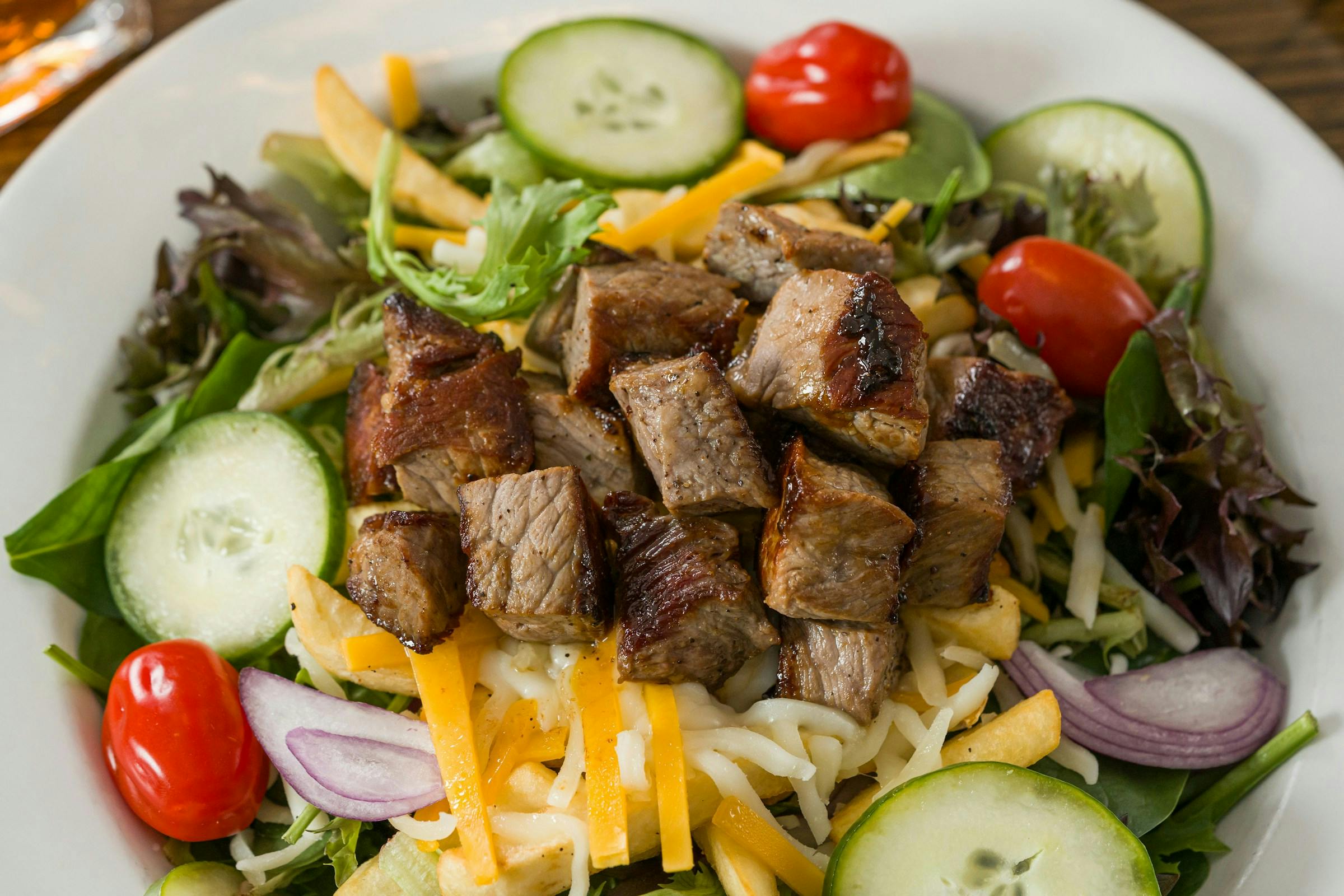
- Animal proteins (e.g., chicken, eggs, fish) are complete — they contain all essential amino acids. (Verywell Health)
- Plant proteins (e.g., beans, lentils, tofu) can be complete when varied and paired properly. (EatingWell)
- Both support weight loss when calories are controlled — plant proteins often provide extra fiber to boost satiety.
Portion Examples for Different Calorie Targets
Here’s how to build protein-rich days on common weight-loss calorie targets:
1500 kcal/day
- Breakfast: Greek yogurt + berries (≈25g)
- Lunch: Grilled chicken salad (≈35g)
- Dinner: Salmon + veggies (≈30g)
- Snacks: Whey shake or edamame (≈20g)
2000 kcal/day
- Breakfast: Eggs + cottage cheese (≈30g)
- Lunch: Turkey sandwich + edamame (≈40g)
- Dinner: Lean beef + lentils (≈35g)
- Snacks: Skyr + nuts (≈25g)
Adjust portions based on activity, age, and goals.
Practical High-Protein Meals & Snack Ideas
- Protein-Power Breakfasts: Greek yogurt with chia & berries; scrambled eggs with spinach
- Lunch Options: Grilled chicken quinoa bowl; tuna salad on greens
- Dinner Combos: Salmon + lentils; tofu stir-fry with veggies
- Snacks: Cottage cheese with fruit, whey shake, roasted chickpeas
Common Myths About Protein & Weight Loss
- Myth: “More protein always means faster fat loss.” Reality: There’s a threshold where additional protein adds calories without extra benefit. Balance is key.
- Myth: Protein bars = good protein. Reality: Many packaged bars are high in sugar and calories with modest protein. Whole foods are generally better first. (nutrient quality matters)
FAQ
Q: Is high protein good for weight loss?
Yes — diets higher in protein improve satiety, increase the calories burned during digestion, and help preserve muscle, all of which support fat loss.
Q: How much protein should I eat to lose weight?
Aim for about 1.2–1.6g of protein per kilogram of body weight per day (or roughly 20–30% of total calories), tailored to activity level and goals.
Q: Are plant proteins as effective as animal proteins for weight loss?
Yes — plant proteins support weight loss and satiety, especially when paired with fiber-rich foods, though they often have lower protein density than animal sources.
Q: Can protein help reduce belly fat specifically?
Increasing overall protein intake helps lower total body fat; while spot reduction isn’t possible, higher protein diets do tend to reduce waist circumference as part of fat loss.
Final Takeaway
Protein isn’t just for athletes. When you prioritize high-quality protein at every meal, you naturally manage hunger better, burn more energy digesting food, and protect muscle — all ingredients of sustainable weight loss.
Share this article

Cortisol-Triggering Foods: What Raises Stress Hormones and What to Eat Instead
Editorial Team
Mar 16, 20268 min read

What Vitamins Should Women in Their 40s Take Daily? A Clinically Backed Guide
Karyn O.
Mar 13, 20269 min read

How Many Carbs in Half an Avocado? Net Carbs, Nutrition & Metabolic Benefits
Lilian E.
Mar 13, 20267 min read

Best-in-class care is a click away
Find everything and everyone you need to reach your metabolic health goals, in one place. It all makes sense with Meto.
Join Meto