Does NyQuil Make You Sleepy? Mechanism, Risks, and Safer Sleep Alternatives
By Lilian E.
Reviewed by Dr. Daniel Uba, MD
Published Mar 17, 2026
5 min read

The Short Answer (and the Misconception)
Yes—NyQuil makes you sleepy, often reliably so. But this sedative effect is not its primary therapeutic purpose. NyQuil is formulated as a multi-symptom cold and flu medication, and its sleep-inducing properties arise largely as a side effect of one ingredient: a first-generation antihistamine.
This distinction matters. Sedation is not the same as restorative sleep, and using a medication designed for acute illness as a nightly sleep aid introduces risks that are often overlooked in casual use.
This article examines the pharmacology, timing, safety considerations, and clinical implications of NyQuil use—while clarifying what it can and cannot do for sleep.
What Is NyQuil?
NyQuil is an over-the-counter (OTC) combination medication indicated for the symptomatic relief of common cold and influenza, including cough, fever, nasal congestion, and minor aches.
Core Active Ingredients
Typical NyQuil formulations contain:
Some liquid formulations also contain alcohol, which can further potentiate central nervous system (CNS) depression.
Regulatory reference: U.S. National Library of Medicine DailyMed database confirms these ingredients in labeled formulations [1].
Why Does NyQuil Make You Sleepy?
1. The Primary Driver: Doxylamine Succinate
Doxylamine is a first-generation H1 receptor antagonist, and its sedative effects are well established in clinical pharmacology.
Mechanism of Sedation
- Histamine in the brain is a key neurotransmitter for wakefulness
- Doxylamine crosses the blood–brain barrier
- It blocks central H1 receptors, reducing wake-promoting signals
- The result is central sedation
This class of antihistamines is also used in dedicated sleep aids, including doxylamine-only formulations.
Pharmacological reference: Simons FE. “Advances in H1-antihistamines.” N Engl J Med [2]
2. Secondary Contributors
While doxylamine is the primary sedative agent, other components may contribute:
- Dextromethorphan: Acts on NMDA receptors and can produce mild CNS depression in some individuals
- Alcohol (in liquid forms): Enhances sedative effects via GABAergic pathways
These effects are variable but can amplify drowsiness, especially when combined.

Clinical Insight: Sedation ≠ Restorative Sleep
From a metabolic and neurological standpoint, sedation induced by antihistamines:
- Does not replicate natural sleep architecture
- May reduce REM sleep quality
- Can produce residual next-day cognitive impairment
This distinction is critical when evaluating NyQuil as a “sleep solution.”
How Quickly Does NyQuil Make You Sleepy?
- Onset: Typically within 20–30 minutes
- Peak effect: ~1–3 hours post-ingestion
Factors Influencing Onset
- Gastric emptying (faster on empty stomach)
- Individual metabolism (hepatic enzyme activity)
- Body composition
- Sensitivity to antihistamines
Clinical sleep literature consistently reports rapid onset of sedation with first-generation antihistamines [3].
How Long Does the Sleepiness Last?
- Duration: Approximately 4–8 hours
- Half-life of doxylamine: ~10–12 hours (can vary)
Implications
- Residual sedation (“hangover effect”) is common
- Next-day impairment can affect:
- Driving performance
- Cognitive function
- Reaction time
Evidence: Antihistamine-related next-day impairment has been documented in psychomotor performance studies [4].
Is NyQuil a Good Sleep Aid?
Short Answer: No
NyQuil is not indicated for insomnia or chronic sleep disturbances.
Why People Use It Anyway
- Rapid sedation
- Over-the-counter accessibility
- Perceived safety
Why It’s Not Recommended
- Treats symptoms you may not have
- Unnecessary exposure to acetaminophen and dextromethorphan
- Suboptimal sleep quality
- Sedation without proper sleep architecture
- Tolerance and diminishing effect
- Antihistamines lose sedative potency with repeated use
- No clinical endorsement for insomnia
- Not recommended in sleep medicine guidelines
Guideline reference: American Academy of Sleep Medicine (AASM) does not recommend antihistamines for chronic insomnia [5].
Related Read: Natural Sleep Aids: The Most Effective Remedies Backed by Science
Risks and Side Effects
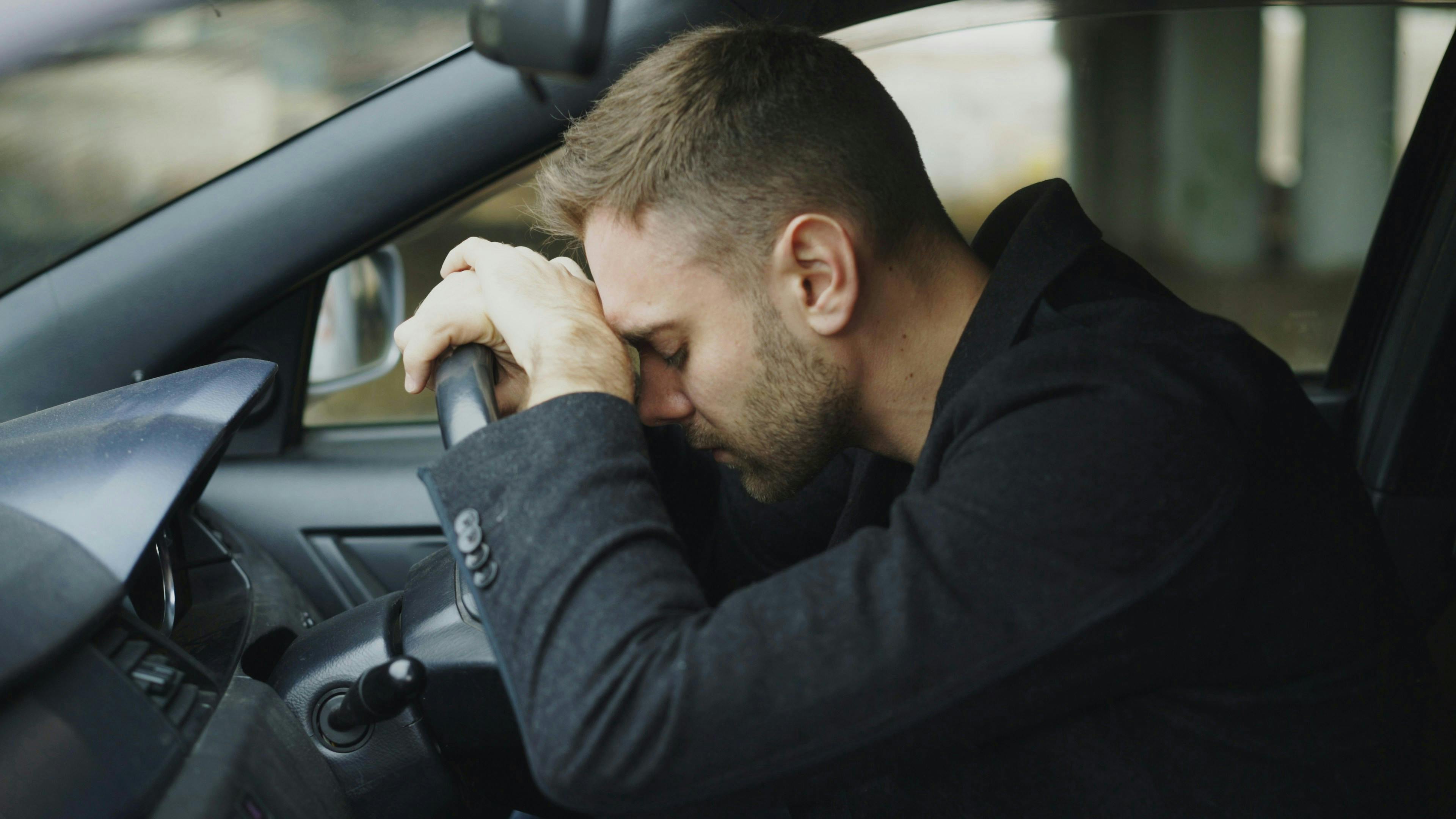
Common Side Effects
- Drowsiness
- Dry mouth
- Dizziness
- Urinary retention (in some populations)
Serious Risks
1. Next-Day Impairment
- Reduced alertness
- Increased accident risk
2. Liver Toxicity
- Due to acetaminophen
- Risk increases with:
- High doses
- Alcohol use
- Chronic use
FDA warning: Acetaminophen overdose is a leading cause of acute liver failure [6].
3. Drug Interactions
- CNS depressants (benzodiazepines, opioids)
- Alcohol
- Antidepressants (risk of serotonin-related interactions with dextromethorphan)
Misuse and Abuse Potential
High doses of dextromethorphan can produce:
- Dissociation
- Hallucinations
- Neurotoxicity
This is particularly relevant in non-medical use scenarios.
Who Should Avoid NyQuil?
- Older adults (increased fall risk, anticholinergic burden)
- Individuals with liver disease
- Pregnant or breastfeeding women (unless medically advised)
- Those taking:
- Sedatives
- MAO inhibitors
- Alcohol regularly
NyQuil vs Other Sleep Aids
NyQuil vs ZzzQuil
- Both use sedating antihistamines
- ZzzQuil is marketed specifically for sleep (no cold/flu ingredients)
NyQuil vs Melatonin
NyQuil vs Prescription Sleep Aids
Prescription agents:
- Target specific neurotransmitter systems
- Are clinically evaluated for insomnia
- Have structured dosing and monitoring
Better Alternatives for Sleep
Evidence-Based Options
1. Cognitive Behavioral Therapy for Insomnia (CBT-I)
- First-line treatment
- Addresses behavioral and cognitive drivers of poor sleep
2. Melatonin
- Effective for circadian rhythm misalignment
3. Magnesium
- May support relaxation and sleep onset (limited but growing evidence)
Lifestyle Interventions (High Impact)
- Consistent sleep-wake timing
- Morning light exposure
- Limiting caffeine (especially after midday)
- Meal timing (avoid late heavy meals)
These interventions address root causes, not just symptoms.
When Should You Take NyQuil?
Appropriate use:
- When experiencing cold or flu symptoms
- Taken shortly before bedtime
- When you can allow for 8 hours of rest
Avoid:
- Using it purely for sleep
- Combining with alcohol
- Operating machinery afterward
Frequently Asked Questions
Does NyQuil knock you out immediately?
No. It typically induces drowsiness within 20–30 minutes, not instant sedation.
Why do I feel groggy the next day?
Due to the long half-life of doxylamine and its residual CNS effects.
Can I take NyQuil every night for sleep?
Not recommended. This introduces unnecessary drug exposure and potential health risks.
Is NyQuil stronger than melatonin?
It is more sedating, but not more effective for healthy sleep.
Does NyQuil affect sleep quality?
Yes. It can impair natural sleep architecture despite inducing sleepiness.
Can NyQuil cause dependency?
Not in the classical sense, but habitual reliance can develop.
Key Takeaways
- NyQuil causes sleepiness primarily due to doxylamine, a sedating antihistamine
- It is not a sleep medication and should not be used as one
- Sedation from NyQuil does not equal restorative sleep
- Regular use introduces avoidable risks, including liver toxicity and cognitive impairment
- Safer, more effective alternatives exist for sleep optimization
Other Related Reads
Share this article

Is Cramping During Menopause Normal? Causes, Relief & When to Worry
Dr. Priyali Singh, MD
Mar 17, 20265 min read

Cortisol-Triggering Foods: What Raises Stress Hormones and What to Eat Instead
Editorial Team
Mar 16, 20268 min read

How To Get Retatrutide Through a Clinical Trial
Dr. Jossy Onwude, MD
Mar 16, 20268 min read

Best-in-class care is a click away
Find everything and everyone you need to reach your metabolic health goals, in one place. It all makes sense with Meto.
Join Meto